

AndaSeat Examines Heat, Airflow, and Seating Comfort Trends in Early 2026 Through the X-Air Mesh Chair
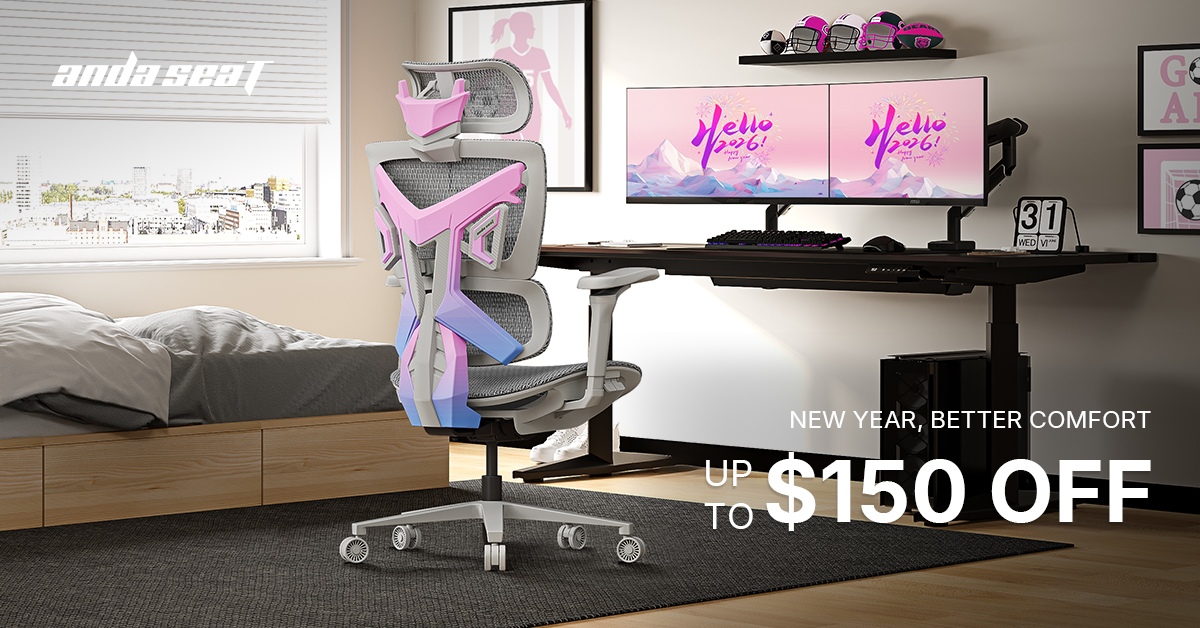
2026 New year AndaSeat X-Air
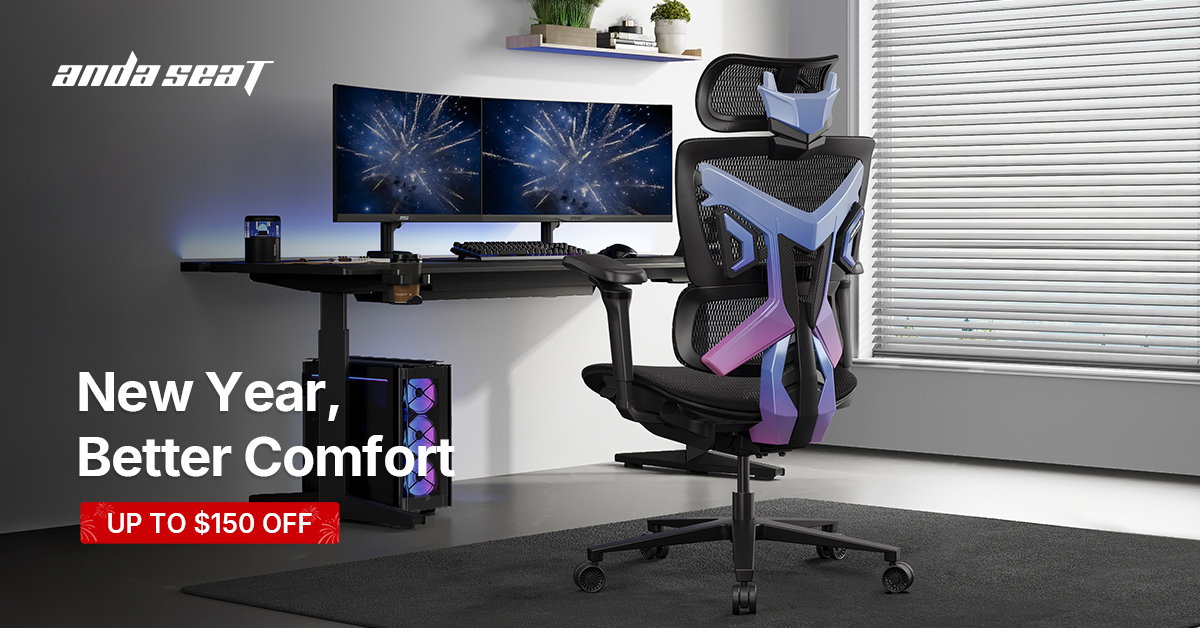
2026 New year AndaSeat X-Air Dark

X Feature
AndaSeat Examines Heat, Airflow, and Seating Comfort Trends in Early 2026 Through the X-Air Mesh Chair
SPOKANE, WA, UNITED STATES, January 6, 2026 /EINPresswire.com/ -- As the new year begins, seating comfort discussions are increasingly shaped by environmental factors rather than traditional performance metrics alone. Industry research conducted over the past year suggests that temperature regulation, airflow, and material breathability are becoming central considerations in how users evaluate seating for daily use. This shift reflects broader changes in work and lifestyle patterns, particularly as hybrid environments place greater emphasis on comfort consistency across different seasons and settings.Recent workplace and home-office surveys indicate that more than sixty percent of users identify heat retention and poor airflow as primary discomfort factors during seated activities. These concerns are not limited to extended office tasks but are also reported by individuals who alternate between work, creative activities, and casual gaming within the same setup. As a result, the role of breathable seating materials has gained renewed attention in both gaming and professional contexts.
This trend has prompted a reassessment of how mesh-based seating fits into modern environments. Once primarily associated with office chairs, mesh construction is now being reconsidered within the gaming chair category, particularly as users seek seating solutions that maintain comfort without relying on heavy padding or enclosed upholstery.
Shifting Expectations Around Thermal Comfort and Seating Materials
Consumer research published across multiple regions suggests that nearly half of seated users experience noticeable discomfort related to heat buildup, even in climate-controlled spaces. This has led to growing interest in seating designs that prioritize airflow and moisture dispersion rather than insulation.
In contrast to traditional upholstered chairs, mesh seating allows air to circulate across contact points, reducing the accumulation of heat and humidity. For users who share spaces, live in warmer climates, or experience seasonal temperature fluctuations, this design approach addresses a specific and increasingly common pain point.
Discussions comparing gaming chairs and office chairs have also evolved accordingly. While gaming chairs have historically emphasized enclosed structures and dense cushioning, buyers are now questioning whether those attributes remain suitable for multi-purpose environments. In this context, mesh-based designs are no longer viewed as purely utilitarian but as practical responses to changing comfort priorities.
Airflow as a Functional Design Requirement
Industry analysis shows that approximately one-third of users now consider airflow a deciding factor when selecting seating, ranking it alongside adjustability and support. This shift is particularly evident among users who spend time switching between tasks, as prolonged heat retention is often associated with reduced concentration and frequent posture changes.
The X-Air mesh chair addresses these considerations through an all-mesh construction that spans the seat, backrest, and headrest. Rather than combining mesh with padded sections, the design adopts a continuous breathable surface intended to maintain consistent airflow across all major contact areas.
From a material perspective, the mesh used in the X-Air is engineered to balance tension and flexibility. This approach allows the surface to support body weight without creating pressure points, while also maintaining space for air circulation. Observational studies in seating ergonomics suggest that tensioned mesh can provide a stable sitting experience while mitigating heat-related discomfort.
Adaptability Without Visual or Structural Bulk
Another factor influencing seating choices is the desire for adaptable comfort without excessive visual presence. Surveys indicate that over forty percent of users setting up home workspaces prefer seating that integrates seamlessly into mixed-use environments, rather than appearing task-specific or visually dominant.
The X-Air’s design reflects this preference through a slim profile and open frame structure. By minimizing bulk and emphasizing transparency, the chair aligns with contemporary workspace aesthetics that favor lightness and flexibility. This design approach also supports airflow by reducing enclosed surfaces where heat can accumulate.
In hybrid work and creative setups, where seating often serves multiple roles throughout the day, visual simplicity is increasingly regarded as part of functional comfort. Users report that lighter designs contribute to a more adaptable environment, particularly in shared or compact spaces.
Responsive Support in Breathable Seating
A common misconception surrounding mesh chairs is that breathability comes at the expense of ergonomic support. However, recent product evaluations indicate that mesh seating can incorporate dynamic support systems when designed with integrated structures rather than relying solely on material elasticity.
The X-Air incorporates a back-integrated lumbar structure designed to respond to posture changes while maintaining airflow. Unlike padded lumbar cushions that can obstruct ventilation, this approach preserves breathability while offering consistent lower-back engagement.
In addition, the chair’s tilt mechanism allows controlled movement within a defined range, enabling users to adjust posture without disrupting airflow or support alignment. This balance between movement and stability is frequently cited in ergonomic research as a contributor to sustained sitting comfort across varied tasks.
Adjustability as a Complement to Material Design
While material choice plays a significant role, adjustability remains a key component of seating comfort. User studies suggest that seating designs combining breathable materials with intuitive adjustment options are more likely to accommodate diverse body types and usage patterns.
The X-Air’s adjustable headrest and armrests are designed to align with this expectation. Rather than introducing complex controls, the adjustments focus on accommodating common posture variations while preserving the chair’s open structure. This approach reflects broader trends favoring accessible ergonomics over highly specialized configurations.
Early-Year Purchasing Context and Market Attention
At the start of the year, seating purchases often coincide with workspace updates and renewed attention to comfort priorities. During this period, adjusted pricing environments and bundled purchasing options become part of broader market behavior, particularly among users equipping shared spaces or multiple workstations.
Publicly available product information indicates that the X-Air enters the early-year market alongside these seasonal considerations. While pricing structures vary, the presence of mesh-based ergonomic options at accessible entry points has drawn attention from users reassessing their seating needs in light of environmental comfort factors.
Importantly, market discussions emphasize that price considerations are evaluated in relation to functional outcomes rather than as standalone incentives. For many buyers, the ability of a chair to address airflow and thermal comfort concerns remains the primary determinant of suitability.
Broader Implications for Seating Design
The growing emphasis on breathability and airflow signals a broader evolution in seating expectations. As users become more aware of how environmental factors influence comfort and focus, seating design is increasingly evaluated through a holistic lens that includes material behavior, structure, and adaptability.
Mesh-based designs such as the X-Air illustrate how gaming chairs are responding to these shifts. By integrating breathable materials with ergonomic structures, such designs challenge traditional assumptions about category boundaries and usage scenarios.
Looking Ahead
As research continues to highlight the role of thermal comfort in seated activities, the demand for breathable ergonomic seating is expected to grow. Rather than replacing existing seating categories, mesh designs are expanding the range of options available to users with diverse needs and environments.
In this evolving landscape, chairs like the X-Air provide insight into how material innovation and ergonomic design can converge to address emerging comfort priorities without redefining the core function of seating itself.
Caroline Chen
AndaSeat
+ + 86 139 2232 2347
email us here
Visit us on social media:
LinkedIn
Instagram
Facebook
YouTube
TikTok
X
Legal Disclaimer:
EIN Presswire provides this news content "as is" without warranty of any kind. We do not accept any responsibility or liability for the accuracy, content, images, videos, licenses, completeness, legality, or reliability of the information contained in this article. If you have any complaints or copyright issues related to this article, kindly contact the author above.
